

Table of Contents
- Why Creatine Monohydrate Remains the Gold Standard
- Understanding Micronized Creatine Monohydrate and Particle Size
- How to Tell If Creatine Is Third-Party Tested
- Creatine Monohydrate Ingredients to Avoid
- Proper Creatine Monohydrate Dosage and Usage
- Verifying Purity Claims and Reading the Label
- Storage, Expiration, and Product Integrity
- Frequently Asked Questions
Last Updated: October 20, 2026
Why Creatine Monohydrate Remains the Gold Standard
Creatine monohydrate is the most researched form of creatine supplement on the market. Decades of studies have established its safety, efficacy, and consistent ability to support strength, power, and muscle performance. When you're selecting a clean creatine monohydrate product, you're choosing a form with the strongest scientific foundation available.
Here's what sets monohydrate apart: it's a single molecule of creatine bonded to one water molecule. That simplicity matters. There's no proprietary blend, no complex delivery system, no marketing hype masking inferior ingredients. What you see is what you get.
Many athletes and serious gym-goers overlook monohydrate because newer forms promise faster absorption or better solubility. The reality is different. Monohydrate works. It's been proven to increase strength and muscle performance across hundreds of peer-reviewed studies. At Shift8 Labs, we focus on what actually delivers results, not what sounds impressive on a label.

The gold standard status of creatine monohydrate isn't marketing. It's the outcome of rigorous research and consistent real-world performance. When you choose a clean creatine monohydrate, you're investing in a supplement form with the deepest evidence base in sports nutrition.
Understanding Micronized Creatine Monohydrate and Particle Size
Micronized creatine monohydrate has a smaller particle size than standard monohydrate powder. This matters for one reason: mixability. Smaller particles dissolve faster and create a smoother texture when mixed with water or your beverage of choice.
Standard creatine monohydrate particles are roughly 200 microns. Micronized versions reduce particle size to 1-10 microns. That's a dramatic difference in how the powder behaves in liquid.
The practical benefit is straightforward. You won't experience that gritty, sandy feeling at the bottom of your glass. The powder mixes cleanly. You get consistent dosing in every sip instead of clumps settling at the bottom. For daily use, this difference compounds, better experience every single day.
Does micronized absorption differ from standard monohydrate? The research suggests the difference is minimal once the powder is in your system. Both forms reach your muscles and do their job. The real advantage of micronized is usability and consistency.
When evaluating a clean creatine monohydrate product, check whether it's micronized. If it is, you're getting better mixability without sacrificing purity or effectiveness. Shift8 Labs Creatine uses 100% micronized creatine monohydrate, 5 grams per serving with nothing else added.
How to Tell If Creatine Is Third-Party Tested
Third-party testing means an independent laboratory, not the supplement manufacturer, has analyzed the product. They verify that what's in the container matches what the label claims. They test for contaminants, heavy metals, and unwanted substances.
When you see a claim like "third-party tested," look for proof. The manufacturer should publish the actual certificate of analysis. This document shows the testing lab's name, the date of testing, and the results for each tested parameter.
A real certificate of analysis will include:
- The testing lab's name and credentials
- The product batch or lot number
- The date the sample was tested
- Specific results for creatine purity (typically 99%+ for quality products)
- Heavy metals screening (lead, mercury, cadmium, arsenic)
- Microbial testing results
- Any other contaminants tested for
Don't accept vague language like "we test our products" without seeing the certificate. Many manufacturers conduct in-house testing only, which is less reliable than independent verification. In-house testing can catch obvious problems, but it lacks the objectivity and rigor of third-party labs.
Ask the manufacturer directly: Can they provide a certificate of analysis for the specific batch you're buying? If they hesitate or say results are "proprietary," that's a red flag. Legitimate manufacturers share this information freely because it proves their claims.
Creatine Monohydrate Ingredients to Avoid
A clean creatine monohydrate product should contain creatine monohydrate and ideally nothing else. Any additional ingredients need a specific purpose.
Common fillers to watch for include:
- Maltodextrin or dextrose (added bulk with no benefit)
- Artificial sweeteners (unnecessary if you're mixing it yourself)
- Artificial colors or dyes (cosmetic only, adds no value)
- Flow agents like silicon dioxide (helps powder flow but adds volume)
- Unnecessary binders or thickeners
The issue with fillers isn't that they're dangerous. The issue is that they dilute your dose. If you're paying for 5 grams of creatine monohydrate per serving, you shouldn't be getting 3 grams of creatine and 2 grams of filler. You're paying for creatine, not carrier material.
Some manufacturers add ingredients they claim improve absorption or delivery. Piperine, alpha-lipoic acid, or other compounds sometimes appear in creatine blends. These additions are rarely necessary and often aren't present in amounts that would have any effect.
The cleanest approach is simple: creatine monohydrate, nothing else. If the manufacturer adds anything, it should serve a clear purpose, like a small amount of sweetener if you prefer flavored creatine. But even that's optional. Many athletes prefer unflavored creatine monohydrate powder mixed into their existing beverages.
Proper Creatine Monohydrate Dosage and Usage
The standard dosage for creatine monohydrate is 3 to 5 grams per day (Common questions and misconceptions about creatine supplementation). This range covers most athletes and fitness enthusiasts effectively. Some protocols use a loading phase, but it's optional.
A loading phase involves taking 20 grams per day (divided into 4 doses of 5 grams) for 5-7 days. After loading, you drop to a maintenance dose of 3-5 grams daily. This approach saturates your muscles faster, results can appear within a week instead of three weeks.
Without loading, you simply take 3-5 grams daily from day one. Results take longer to appear, typically 3-4 weeks, but you reach the same endpoint. The choice depends on your preference and timeline.
Timing doesn't matter as much as consistency. Take your creatine at the same time daily, whether that's with breakfast, post-workout, or before bed. The goal is steady daily dosing that accumulates in your system.
Mix your creatine monohydrate with plenty of water or a carbohydrate-containing beverage. Creatine absorption improves slightly when paired with carbs and protein, but the effect is modest. What matters most is consistent daily intake.
Stay hydrated throughout the day. Creatine draws water into muscle cells, so your overall water intake should be adequate. Most athletes find that drinking an extra 8-16 ounces of water daily is sufficient.
Verifying Purity Claims and Reading the Label
The supplement label is your first tool for evaluating clean creatine monohydrate. Learn to read it correctly.
The "Supplement Facts" panel shows the serving size, the amount of creatine monohydrate per serving, and any additional ingredients. For a clean product, you should see creatine monohydrate listed as the primary (or only) active ingredient.
Check the ingredient list carefully. Ingredients are listed by weight in descending order. If creatine monohydrate is first, that's your primary ingredient. If something else appears first, you're not getting a creatine-focused product.
Look for the phrase "creatine monohydrate" specifically. Some products say "creatine" without specifying the form. That vagueness can hide inferior forms like creatine ethyl ester or buffered creatine, which lack the research support of monohydrate.
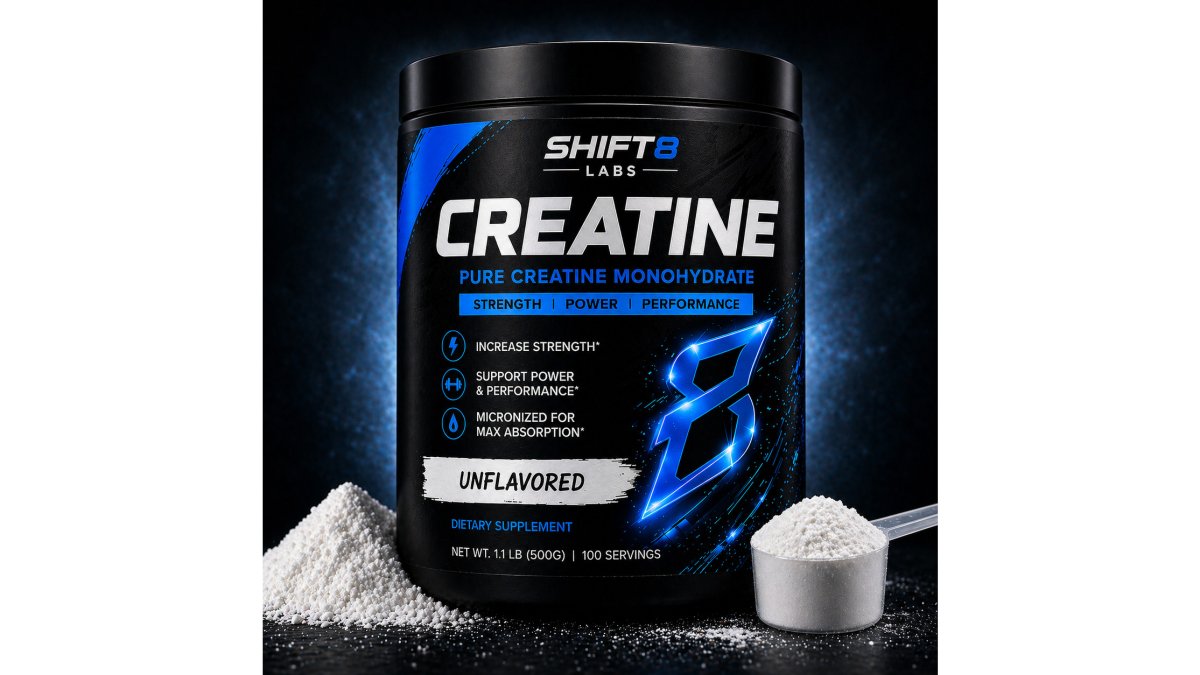
Purity claims on the front label should be backed by certificates of analysis. Words like "pure," "clean," or "third-party tested" mean nothing without documentation. Request the certificate before buying, or check the manufacturer's website for batch-specific testing results.
Pay attention to the serving size and total servings per container. A container with 50 servings at 5 grams per serving contains 250 grams total. The math should be straightforward and match the container weight (accounting for packaging materials).
Watch for vague claims like "pharmaceutical grade" or "pharmaceutical quality." These terms aren't regulated. There's no official definition. They're marketing language. What matters is third-party testing and transparent ingredient disclosure.
Storage, Expiration, and Product Integrity
Creatine monohydrate is stable, but storage conditions affect longevity. Keep your container in a cool, dry place.
An unopened container of quality creatine monohydrate typically remains effective for 2-3 years when stored properly.
Check the expiration or "best by" date on the label. Reputable manufacturers print this clearly.
Moisture is the enemy of creatine powder. If your container develops clumping or the powder absorbs moisture, the product's effectiveness declines.
Some athletes transfer creatine to smaller containers for convenience.
The container itself matters. Dark plastic or opaque containers protect the powder from light exposure better than clear containers.
Choosing clean creatine monohydrate comes down to three core principles: verify the form, confirm third-party testing, and read the label carefully.
At Shift8 Labs, we believe your supplements should be as intentional as your training. Our Creatine delivers 5 grams of 100% micronized creatine monohydrate per serving, no fillers, no unnecessary ingredients, just what your body needs to perform and recover. Shop Shift8 Labs Creatine and train with confidence.
| Evaluation Criterion | What to Look For | Why It Matters |
|---|---|---|
| Form | Creatine monohydrate specifically | Most researched, proven effective |
| Purity | 99%+ creatine, third-party tested | Ensures you get your full dose |
| Particle Size | Micronized (1-10 microns) | Better mixability, smoother texture |
| Ingredients | Minimal, creatine only or with purpose | No fillers diluting your dose |
| Dosage | 3-5 grams per serving | Standard effective range |
| Certificate | Published batch-specific results | Proof of independent testing |
| Storage | Cool, dry, airtight container | Maintains potency over time |
Common Questions About Choosing Clean Creatine Monohydrate
How do I know if a creatine product is actually clean? Request the certificate of analysis from the manufacturer.
Is micronized creatine better than standard creatine? Micronized creatine mixes more smoothly and creates a better texture.
Can I take creatine with other supplements? Creatine monohydrate is compatible with most supplements.
What's the difference between creatine monohydrate and other creatine forms? Monohydrate has the most research backing its safety and effectiveness.
Is creatine safe for long-term use? Research supports long-term creatine monohydrate use as safe for healthy adults.
How do I verify the label matches what's in the container? Look for third-party testing results.
Should I cycle creatine or take it continuously? Continuous daily dosing is more effective than cycling.
What should I mix creatine with? Water, juice, or your post-workout shake all work. Mixing with a carbohydrate source may enhance absorption slightly.
How can I tell if my creatine has degraded? Visual signs include clumping, discoloration, or unusual odor.
Frequently Asked Questions
How can you tell if creatine monohydrate is pure?
Pure creatine monohydrate should list only one active ingredient on the supplement facts label. Look for third-party testing certifications from organizations like NSF Certified for Sport or Informed-Sport. Request or download the certificate of analysis (CoA) from the manufacturer, which confirms the product contains the claimed amount of creatine and is free of contaminants like heavy metals and bacterial pathogens. Avoid products with added fillers, artificial sweeteners, or unnecessary binders.
Should you choose micronized creatine monohydrate?
Micronized creatine monohydrate has a smaller particle size, which improves mixability and may enhance absorption compared to standard powder. The finer texture dissolves more easily in water, reducing grittiness and making it easier to consume consistently. For most athletes, micronized versions offer practical advantages without compromising effectiveness, both forms deliver the same performance benefits when dosed correctly at 3 to 5 grams daily.
How much creatine monohydrate should you take each day?
The standard maintenance dose is 3 to 5 grams of creatine monohydrate daily, taken consistently. Some athletes use a loading phase of 20 grams per day (split into 4 doses of 5 grams) for 5 to 7 days to saturate muscles faster, followed by 3 to 5 grams daily. Skipping the loading phase works too, it just takes 3 to 4 weeks to reach the same muscle saturation. Consistency matters more than timing; take your dose with food and adequate water for best results.
What should you avoid when buying creatine monohydrate?
Avoid products with proprietary blends that hide the actual creatine dose, added stimulants, artificial colors, or unnecessary fillers like maltodextrin or dextrose. Skip brands without third-party testing or a published certificate of analysis. Avoid extremely low prices, which often signal poor quality or underdosed products. Watch for vague claims like 'enhanced absorption' without supporting research, and steer clear of liquid creatine formulations, creatine degrades in water over time and is less stable than powder.