

Table of Contents
- Understanding Supplement Absorption and Bioavailability
- Best Time to Take Supplements for Maximum Effectiveness
- Vitamin Absorption With Food: Timing and Pairing Strategies
- Supplement Forms and Absorption: Choosing the Right Formulation
- Supplements That Should Not Be Taken Together
- Digestive Health, Medication Interactions, and Individual Factors
- How to Know If Your Supplement Strategy Is Actually Working
- Frequently Asked Questions
Last Updated: October 18, 2026
Understanding Supplement Absorption and Bioavailability
Supplement absorption is the process your body uses to break down nutrients and move them into your bloodstream where they can be used, and learning how to optimize supplement absorption ensures you get the most from every dose. Not every supplement you swallow gets absorbed the same way. The amount your body actually uses is called bioavailability.
This distinction matters because you can take a high dose of something and absorb very little of it. You can also take a smaller dose in the right form and absorb most of it. The difference between these two scenarios is often the deciding factor in whether a supplement actually works for you.
Several factors control how much of a supplement your body absorbs:
- Nutrient form: Chelated minerals absorb better than non-chelated forms
- Stomach acid levels: Low stomach acid reduces mineral absorption
- Digestive enzyme activity: Protease helps break down protein-based supplements
- Intestinal health: Damaged gut lining blocks nutrient uptake
- Individual metabolism: Age, genetics, and medications all affect absorption rates
At Shift8 Labs, we focus on clean formulations with purposeful dosing. This means choosing supplement forms and strengths that your body can actually use, not just forms that look good on a label.
Best Time to Take Supplements for Maximum Effectiveness
Timing matters, but not in the way most guides claim. The "best time" depends on what you're taking and what your body needs at that moment.

Fat-soluble vitamins like A, D, E, and K require dietary fat to be absorbed. Taking them with a meal containing healthy fats (olive oil, nuts, fatty fish, avocado) increases absorption.
Water-soluble vitamins like B and C don't require fat. Your body absorbs them regardless of meal timing. However, they're water-soluble, meaning excess amounts are excreted. Spacing doses throughout the day (rather than one large dose) keeps blood levels stable.
Minerals like iron, calcium, and magnesium have narrow absorption windows and compete with each other. Iron absorbs best on an empty stomach but causes nausea in many people. Calcium blocks iron absorption if taken together.
Practical timing strategy:
- Morning: Water-soluble vitamins (B-complex, vitamin C) with breakfast
- With meals: Fat-soluble vitamins (D, E, K) and minerals that cause stomach upset
- Evening: Magnesium for recovery and sleep support
- Separate by 2 hours: Iron and calcium to prevent competition
- Post-workout: Protein and carbohydrates to support recovery (timing matters more than supplement form here)
The biggest mistake is taking everything at once. Your digestive system can only absorb so much at one time. Spreading doses across the day improves total absorption.
Vitamin Absorption With Food: Timing and Pairing Strategies
Food is one of the most powerful tools for improving nutrient absorption. The right meal can double or triple how much of a supplement your body uses. The wrong pairing can block it entirely.
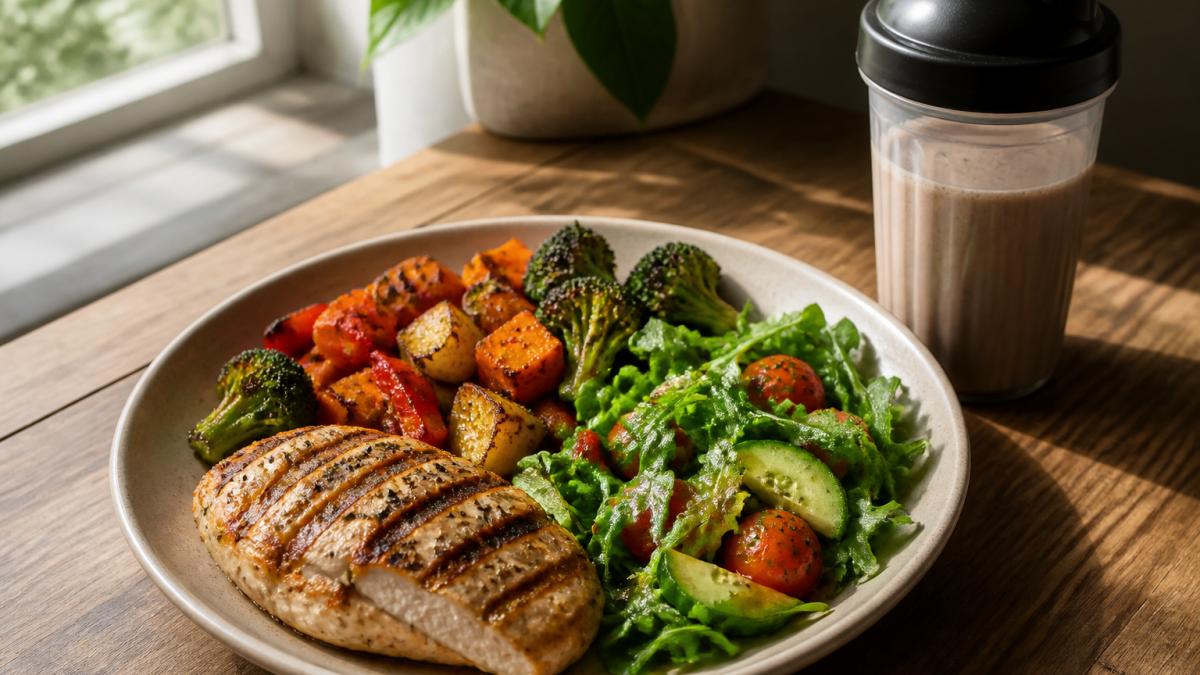
Fat-soluble vitamins need fat. Vitamin D, A, E, and K are stored in body fat and require dietary fat for absorption. This means:
- Vitamin D with eggs, salmon, or olive oil-based dressing
- Vitamin A with avocado, nuts, or full-fat dairy
- Vitamin E with seeds, oils, or fatty fish
- Vitamin K with leafy greens already containing some fat, or added to a meal with healthy fats
Protein supports mineral absorption. Calcium, magnesium, and zinc absorb better when consumed with adequate protein. Protein lowers stomach pH, which increases the solubility of minerals.
Carbohydrates enhance some mineral absorption. Simple carbohydrates (fruit, rice, potatoes) eaten with iron-rich foods increase iron absorption. This is why pairing red meat with a sweet potato works better than eating steak alone.
Certain foods block absorption. Tannins in tea and coffee reduce iron absorption. Calcium in dairy blocks iron absorption. Oxalates in spinach and Swiss chard bind to calcium and magnesium, reducing how much your body can use.
Practical pairing guide:
- Iron supplements: Take with vitamin C (orange juice, citrus) on an empty stomach if tolerated, or with food if stomach upset occurs
- Calcium: Take with meals containing fat and protein; avoid with iron
- Vitamin D: Take with any meal containing fat
- Magnesium: Take in evening with food to reduce stomach upset
- Zinc: Take with protein-containing meals
Supplement Forms and Absorption: Choosing the Right Formulation
The form a supplement comes in directly determines how much your body absorbs.
Mineral forms matter most. Chelated minerals (bound to amino acids) absorb better than oxide or carbonate forms (pubmed.ncbi.nlm.nih.gov). Magnesium glycinate absorbs better than magnesium oxide. Zinc picolinate absorbs better than zinc oxide.
Micronized creatine monohydrate dissolves better and absorbs faster than standard creatine powder. It also reduces the gritty texture that turns people away from creatine supplementation. This is why Shift8 Labs Creatine uses micronized creatine monohydrate, your body absorbs more, and the experience is better.
Protein powder form affects digestion. Whey isolate contains less lactose and fat than whey concentrate, making it easier to digest for people with sensitive stomachs. Isolate also delivers more protein per serving. Shift8 Isolate Protein includes a digestive enzyme blend with protease and papain specifically to support protein breakdown and absorption.

Tablet vs. capsule vs. powder: Capsules dissolve faster than tablets. Powders mixed with liquid absorb faster than either. If you're taking a tablet that's hard to break down, absorption suffers.
Bioavailability comparison:
| Supplement Form | Absorption Rate | Best For |
|---|---|---|
| Chelated minerals | 80-90% | Magnesium, zinc, iron |
| Amino acid complexes | 75-85% | Minerals needing quick uptake |
| Micronized powder | 70-80% | Creatine, powdered supplements |
| Whey isolate | 85-95% | Protein absorption post-workout |
| Standard tablets | 40-60% | General supplementation |
| Oxide/carbonate minerals | 20-40% | Cheap formulations (poor choice) |
Supplements That Should Not Be Taken Together
Some nutrients compete for absorption in your digestive system. Taking them together means your body absorbs less of each one. Spacing them out improves total absorption.
Iron and calcium compete. Both use the same absorption pathway. Taking them together reduces absorption of both. Separate them by at least 2 hours.
Shift8 Isolate Protein Vanilla 1lb →
Calcium and magnesium compete. Similar absorption pathway. If you take both, space them 2-3 hours apart. Evening magnesium for sleep recovery and morning calcium for bone health works well.
Zinc and copper compete. High zinc intake can reduce copper absorption. If you're supplementing both, maintain a 10:1 or 15:1 zinc-to-copper ratio.
Fat-soluble vitamins compete with each other slightly. Vitamin D, A, E, and K all use similar absorption pathways. Taking massive doses of one can interfere with the others.
Supplements and medications interact. Calcium blocks absorption of many antibiotics and thyroid medications. Iron interferes with some blood pressure drugs. Magnesium reduces absorption of bisphosphonates (osteoporosis drugs).
Safe combinations:
- Vitamin D + magnesium (take together)
- Vitamin C + iron (take together to enhance iron absorption)
- Omega-3 + vitamin D (take together)
- Creatine + carbohydrates (take together post-workout)
- Protein powder + carbohydrates (take together for recovery)
Digestive Health, Medication Interactions, and Individual Factors
Your digestive system's health directly affects nutrient absorption. A damaged or inflamed gut lining blocks nutrients from entering your bloodstream, no matter how good your supplement form is.
Low stomach acid reduces mineral absorption. As people age, stomach acid production often decreases. This is one reason older athletes sometimes struggle to absorb minerals even when taking high doses. If you have digestive issues, low energy, or poor recovery despite supplementing, low stomach acid might be the culprit.
Digestive enzymes support breakdown. Protease breaks down protein. Amylase breaks down carbohydrates. Lipase breaks down fat. This is why Shift8 Isolate Protein includes protease and papain, they help your body break down and absorb the protein you're consuming.

Gut inflammation blocks nutrient uptake. If you have a diagnosed digestive condition, work with a gastroenterologist to manage it before expecting supplements to work optimally.
Medications affect absorption in multiple ways:
If you take any of these medications regularly, tell your doctor before starting supplements. They may recommend timing adjustments or different supplement forms.
Individual factors that affect absorption:
- Age: Stomach acid and enzyme production decline with age
- Genetics: Some people have genetic variations that affect nutrient metabolism
- Stress: Chronic stress reduces digestive enzyme production and increases inflammation
- Sleep: Poor sleep impairs digestive function and nutrient absorption
- Exercise intensity: Heavy training increases nutrient needs but can temporarily reduce absorption if recovery is poor
How to Know If Your Supplement Strategy Is Actually Working
Taking supplements that absorb well means nothing if you're not measuring whether they're actually helping. Most people guess based on feel, which is unreliable.
Track objective markers: Energy levels, recovery speed, and strength gains are measurable. Keep a simple log for 4-6 weeks before starting supplements, then 4-6 weeks after. Note:
- How you feel 30 minutes post-workout
- Recovery time between training sessions
- Sleep quality and wake-up energy
- Strength progress in your main lifts
- Body composition changes (if relevant to your goal)
If you see consistent improvement in these markers, your strategy is working. If nothing changes, something in your approach needs adjustment.
Consider bloodwork if you're serious. A simple blood panel can show your actual nutrient levels. This tells you whether your absorption strategy is working or whether you need adjustment.
Watch for side effects that signal poor absorption: Nausea, bloating, or stomach upset after supplements often means they're not being absorbed properly. Switching to a different form or timing usually fixes this.
Realistic timelines matter: Strength improvements show up in 4-6 weeks. Recovery improvements show up in 2-3 weeks. Body composition changes take 8-12 weeks. Don't expect results faster than biology allows.
To optimize supplement absorption, match the right form to your body's needs and timing, pair supplements strategically with food, and manage your digestive health. Start with Shift8 Isolate Protein or Shift8 Creatine and track your results for 6-8 weeks.
Frequently Asked Questions
How do I maximize supplement absorption?
Maximize supplement absorption by pairing fat-soluble vitamins with dietary fat, taking water-soluble vitamins with food to improve bioavailability, and spacing out competing nutrients. Timing matters: take vitamin D and omega-3 fatty acids with meals containing healthy fats. For minerals like iron and calcium, separate them by at least 2 hours if taking both. Stomach acid and digestive enzymes work better when you eat, so most supplements absorb more effectively with food rather than on an empty stomach. Product quality and formulation also affect absorption, micronized creatine and whey isolate protein, for example, dissolve and absorb more efficiently than standard forms.
What supplements should not be taken together?
Certain nutrient combinations compete for absorption and reduce efficacy. Calcium and iron should not be taken at the same time, separate them by at least 2 hours because both use the same absorption pathways. Zinc and copper compete similarly; if taking both, space them apart. Tannins in tea and coffee block iron absorption, so avoid these beverages within 2 hours of taking iron supplements. If you take medications, consult your healthcare provider before combining supplements, as some interact with prescription drugs.
Should I take supplements with food or on an empty stomach?
Most supplements absorb better with food. Fat-soluble vitamins (A, D, E, K) require dietary fat for absorption, so take them with a meal containing healthy fats. Water-soluble vitamins like B-complex and vitamin C absorb more efficiently when food is present because stomach acid production increases during digestion. Protein supplements like Shift8 Isolate Protein work well post-workout or with meals to support muscle recovery and nutrient absorption. Creatine monohydrate absorbs better when taken with carbohydrates and protein. The main exception: some minerals like iron absorb slightly better on an empty stomach, but many people experience nausea, so taking iron with a small amount of food is often more practical. Always check product labels for specific recommendations.
Does the form of a supplement affect how well it is absorbed?
Yes, formulation significantly impacts bioavailability. Micronized creatine monohydrate dissolves better and absorbs more efficiently than standard creatine powder. Whey protein isolate, like Shift8 Isolate Protein, is ultra-filtered to remove lactose and fat, making it easier to digest and absorb than concentrate forms. Chelated minerals (minerals bound to amino acids) absorb better than inorganic forms. Capsules dissolve slower than powders or liquids, so if absorption speed matters, powder or liquid forms work faster. Product quality also matters, clean formulations without fillers support better digestion and nutrient uptake. Choose products tested for purity and designed for your specific goal, whether that's muscle recovery, strength, or general health.