

Table of Contents
- Why Clean Protein Powder Without Artificial Fillers Matters
- Quick Comparison: Top Clean Protein Powders
- How to Read Protein Powder Labels
- What Are Common Protein Powder Fillers?
- Best Clean Creatine for Muscle Growth
- Cost-Per-Gram Analysis: Is Clean Protein Worth It?
- Taste and Mixability: Troubleshooting Common Issues
- Conclusion
- Frequently Asked Questions
Last Updated: September 16, 2026
Why Clean Protein Powder Without Artificial Fillers Matters
Walk down any supplement aisle and you'll notice something odd: the tubs with the shortest ingredient lists often cost the most. That's not a marketing trick. A clean protein powder without artificial fillers costs more to produce because every gram has to earn its place, with no cheap bulking agent hiding behind the label.
Quick Comparison: Top Clean Protein Powders
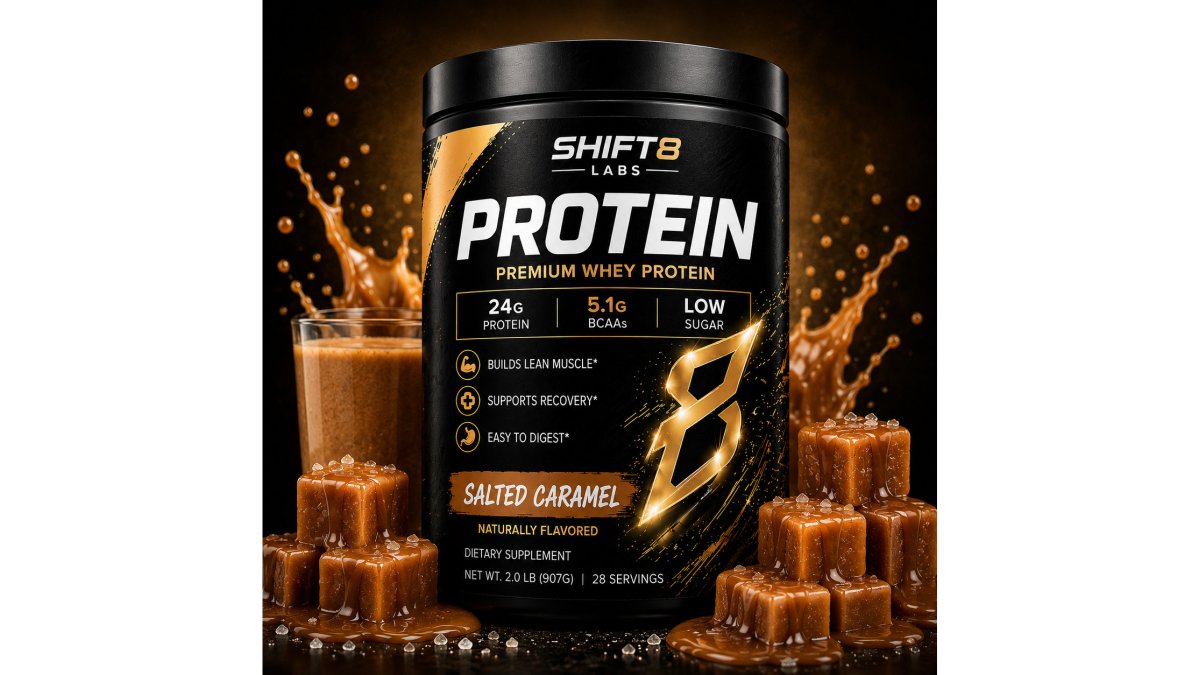
Shift8 Labs makes four protein powders, all $64.99 for a 2 lb tub, each with a short ingredient list.

| Product | Flavor | Size | Price | Best For |
|---|---|---|---|---|
| Shift8 Protein Chocolate | Chocolate | 2 lb | $64.99 | Post-workout shakes, between-meal protein |
| Shift8 Protein Vanilla | Vanilla | 2 lb | $64.99 | Shakes, smoothies, oats, post-workout routines |
| Salted Caramel Premium Whey | Salted Caramel | 2 lb | $64.99 | Lean muscle and recovery, 24g protein, 5.1g BCAAs per serving |
| Cinnamon Roll | Cinnamon Roll | 2 lb | $64.99 | Cravings without compromising training goals |
How to Read Protein Powder Labels
Reading a protein powder label means checking three things in order: the protein source, the total ingredient count, and whether a third-party certification appears on the packaging. If any is missing, treat the product as unverified.

- Protein source first. Whey isolate, pea protein, brown rice protein, or pumpkin seed protein should be the first listed ingredient.
- Count the ingredients. A minimalist ingredient list runs short. Long lists usually mean emulsifiers, gums, or anti-caking agents.
- Look for certification. A third-party certified product carries a seal from an independent lab. No seal, no verification.
- Check the amino acid profile. A complete profile matters more than total grams.
- Confirm allergens. Gluten-free, soy-free, and non-GMO claims should be stated explicitly, not implied.
What Are Common Protein Powder Fillers?
Common protein powder fillers include gums, emulsifiers, artificial sweeteners, anti-caking agents, and cheap carbohydrate bulking agents added to improve texture, extend shelf life, or lower cost per tub. None contribute to muscle protein synthesis, several are linked to digestive discomfort, and a few are why a "clean" powder can still leave you bloated.
Gums and thickeners
- Xanthan gum, a fermentation-derived polysaccharide that thickens liquid and prevents separation. Generally well tolerated, but as a fermentable fiber, larger doses can cause gas and loose stools in sensitive guts.
- Guar gum, a galactomannan from guar beans that adds viscosity like xanthan. Also a fermentable fiber and a common bloating trigger when it appears high on the ingredient list.
- Cellulose gum (carboxymethyl cellulose), a modified cellulose thickener and stabilizer. Indigestible by design, but some research questions its effect on the gut microbiome at high intake.
- Acacia gum, a plant exudate used as a fiber source and emulsifier. Gentler than xanthan for many, but still a fermentable fiber.
The pattern: gums make thin protein taste thicker and more "milkshake-like." A powder without them mixes thinner, a texture trade-off, not a red flag.
Emulsifiers
- Lecithin (soy or sunflower), keeps fat and water from separating. Soy lecithin is most common; usually present in small amounts but a soy derivative, which matters if you avoid soy.
- Carrageenan, a seaweed extract used for body and suspension. One of the more debated additives; some report GI irritation, and it's a common target for filler-free shoppers.
- Polysorbate 80 and mono- and diglycerides, synthetic emulsifiers found in some ready-to-drink and instantized powders. A genuinely clean label won't contain them.
Artificial sweeteners
- Sucralose, roughly 600 times sweeter than sucrose. The most common artificial sweetener in protein powders because it's cheap and heat-stable. Some report GI upset, and it's frequently cited by shoppers avoiding artificial additives.
- Acesulfame potassium (Ace-K), often paired with sucralose to round out sweetness. Same category of concern.
- Aspartame, less common in powders than in diet sodas, but still appears in some flavored blends.
Anti-caking and flow agents
- Silicon dioxide, prevents clumping in the tub. Inert and generally safe at label doses, but a processing aid, not a nutrient.
- Magnesium stearate, a flow agent and lubricant. More common in capsules, but it appears in some blends.
- Tricalcium phosphate, an anti-caking agent that adds a small amount of calcium. A filler by function even when it sounds like a mineral.
Cheap carbohydrate bulking agents
- Maltodextrin, a starch-derived polysaccharide with a high glycemic index. It adds volume and carbs at very low cost, and it's the most common way a "protein" powder stretches scoop weight without adding protein.
- Dextrose and added sugars, they sweeten and bulk, showing up in the carb count rather than the protein count.
- Cocoa powder processed with alkali, not strictly a filler, but a flavoring that can carry added sugar and fat. Check the sub-ingredients.
Proprietary blends
A proprietary blend is a single label line hiding multiple ingredients and their doses behind one total gram figure. It's not a filler itself, but it lets a manufacturer include fillers without disclosing how much of each is present.
What clean labels use instead
Stevia (rebaudioside A) and monk fruit (mogroside V) are the common clean-label sweeteners, plant-derived, far sweeter than sugar, and costlier per unit of sweetness, part of why cleaner formulas cost more. For texture, clean formulators lean on the protein itself (whey isolate mixes thin; pea and rice proteins are coarser) rather than gums, and for flavor they use real cocoa, vanilla extract, or salt.
The side-effect question
Most people tolerate small amounts of gums and emulsifiers without issue. Those who don't notice bloating, gas, or loose stools within an hour of a shake. If that sounds familiar, the fix isn't a different flavor, it's a shorter ingredient list. Removing gums, emulsifiers, and sugar alcohols is the highest-yield change most people can make.
Best Clean Creatine for Muscle Growth
The best clean creatine for muscle growth is creatine monohydrate with a single ingredient on the label: no flavoring, no sweetener, no filler.
When you evaluate a creatine product, ask:
- Is the only ingredient creatine monohydrate?
- Is the dose stated per serving, not per "blend"?
- Is there a third-party certification for purity and heavy metal testing?
- Does the powder dissolve, or does it settle into grit at the bottom of the glass?
Cost-Per-Gram Analysis: Is Clean Protein Worth It?
Cost-per-gram analysis means dividing the tub price by the total grams of protein in the container, giving a true cost per gram rather than per scoop. It's the only fair way to compare tubs of different sizes, serving counts, and filler loads, and most shoppers never run it.
Here's the method, step by step:
Shift8 Protein Chocolate Protein →
- Find grams of protein per serving on the label.
- Multiply by the number of servings in the tub. That's your total protein in grams.
- Divide the tub price by that total. That's your cost per gram of protein.
Running the numbers on a clean tub
Take a 2 lb tub at $64.99 with 24g of protein per serving and roughly 30 servings. Total protein is about 720g. Divide $64.99 by 720 and you land at roughly $0.09 per gram, or about $2.17 per serving.
How the formats compare
Cost per gram varies by protein source, not just by brand:
- Whey isolate, the highest protein density per scoop, typically 90%+ by weight. Clean formulas usually land at $0.07-$0.11 per gram.
- Whey concentrate, lower density (around 70-80%), often cheaper per tub but higher per gram once you account for extra carbs and fat.
- Pea protein isolate, density and cost per gram comparable to whey isolate, but coarser.
- Brown rice protein, lower density and an incomplete amino acid profile alone, so it's usually blended. Cost per gram is competitive, but you're buying a blend, not a single source.
- Blended plant proteins, pea plus rice, sometimes pumpkin seed. The blend fixes the amino acid gap, but cost per gram depends on the ratio, which most labels don't disclose.
Where the premium is justified
A clean formula earns its higher cost per gram in four places:
- No artificial sweeteners. Stevia and monk fruit cost more than sucralose. That cost shows up in the price.
- No gums or emulsifiers. Texture must come from the protein itself, usually a more expensive source.
- Third-party testing. Heavy metal testing, allergen verification, and label-accuracy audits cost money per batch, and that cost is passed through.
- Shorter ingredient lists. Fewer ingredients means less cheap bulking weight, so a higher cost per gram by definition, protein is a larger share of the tub.
Where it isn't
If your only goal is the lowest cost per gram and you don't care about additives, a filler-heavy whey concentrate will almost always win on price. That's a legitimate choice, but you're also buying the gums, artificial sweetener, and anti-caking agents, and possibly less protein per scoop than the label implies.
The per-serving frame
Cost per gram is the right comparison metric, but cost per serving hits your wallet. At roughly $2.17 per serving for a clean 24g shake, you're paying less than a coffee-shop latte for complete protein, easier to justify, but only if the label is honest about what's in the scoop.
Taste and Mixability: Troubleshooting Common Issues
Gritty texture usually traces to three causes: the protein source, the mixing method, or the liquid temperature. Fix the method first, it's free.
- Liquid first, powder second. Powder added to an empty shaker clumps at the bottom.
- Use a blender for plant proteins. Pea and brown rice protein are coarser than whey isolate.
- Watch the temperature. Boiling liquid cooks the protein and creates clumps that won't break up.
- Shake for 20 seconds, then wait 30. Let the powder hydrate before you drink it.
- Add a shaker ball. Cheap fix, real difference.
Conclusion
The hard part isn't finding a clean protein powder. It's verifying the label means what it says and paying a price per gram you can justify.
Frequently Asked Questions
What is the best protein powder that doesn't contain any fillers?
The best option is one with a short, transparent ingredient list and third-party testing. Look for products that list whey protein isolate or concentrate as the first ingredient, with no gums, artificial sweeteners, or emulsifiers. Shift8 Protein, for example, offers chocolate and vanilla flavors at $64.99 for a 2 lb tub, with 24g of protein per serving and no artificial fillers.
What is the cleanest protein powder without artificial sweeteners?
Clean protein powders avoid sucralose, aspartame, and acesulfame potassium. Instead, they use natural sweeteners like stevia or monk fruit, or no sweetener at all. Check the label for 'artificial sweeteners'. A minimalist ingredient list with recognizable items is your best guide.
How can you tell if a protein powder has artificial fillers?
Read the ingredient list carefully. Common fillers include gums (xanthan, guar, cellulose), emulsifiers (soy lecithin, sunflower lecithin), and artificial sweeteners (sucralose, aspartame). If the list is long or contains unfamiliar chemical names, it likely has fillers. Also look for 'proprietary blends' which can hide filler amounts. Transparent labeling with exact grams per ingredient is a good sign.
What are common protein powder fillers to avoid?
Common fillers include maltodextrin, dextrose, cellulose gum, xanthan gum, carrageenan, and artificial sweeteners like sucralose and aspartame. These add volume, texture, or sweetness but offer no nutritional benefit. Some can cause digestive discomfort. Avoiding them ensures you get pure protein without unnecessary additives. Always check the label for these ingredients.
Is clean creatine necessary for muscle growth?
Yes, if you want to avoid contaminants. Clean creatine is pure creatine monohydrate without fillers or additives. It should be third-party tested for heavy metals and purity. Look for a single-ingredient product with no added flavors or sweeteners. This ensures you get the performance benefits of creatine without unwanted substances. Shift8 Labs offers clean creatine options as part of their performance line.